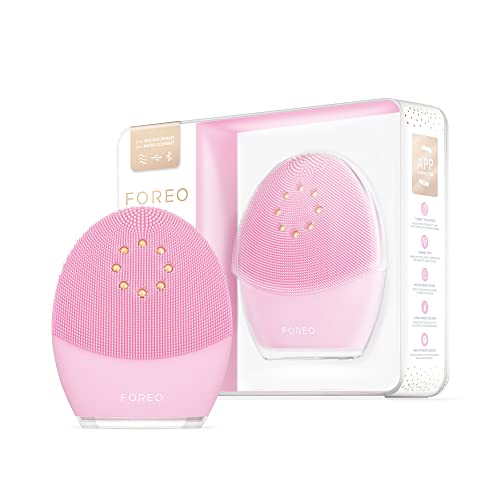
A facial cleansing device is a mechanical way to work cleanser across the skin. Two designs dominate: silicone devices that vibrate, and brush-head devices that rotate or oscillate. Silicone has largely won on hygiene grounds, because non-porous silicone does not hold bacteria the way a bristle head does and never needs replacing. Whether either is necessary is a fair question — hands clean skin perfectly well — so the honest case for these devices is that they make cleansing more thorough and more consistent, not that skin cannot be clean without one. The picks below are devices available on Amazon UK, ranked on customer rating weighted by review volume.
We compare every product in this category on customer rating, review volume, price and listed ingredients. We do not accept payment for placement, and we do not test products ourselves — the ranking reflects what Amazon UK shoppers actually rated.
Prices and availability are accurate as of the date shown and are subject to change on Amazon.
What to look for
Silicone avoids the replacement-head problem
Bristle heads need replacing every few months and hold moisture between uses. Silicone rinses clean, dries fast, and lasts the life of the device — which also changes the true cost considerably.
Gentler than it sounds is usually the goal
These devices are not exfoliators. Used daily on high intensity they can leave skin sensitised and red. Most people get better results using one a few times a week on a lower setting.
Charging method affects longevity
Devices with sealed rechargeable batteries eventually become unusable when the battery dies. Ones taking a replaceable battery, or with USB charging and a long cycle life, last considerably longer.
Waterproof rating matters in a shower
Most are rated for splashing rather than submersion. If you intend to use it in the shower, check the specific rating rather than assuming water resistance.
Sensitive or acne-prone skin needs caution
Mechanical cleansing can aggravate active breakouts and rosacea by spreading bacteria and adding friction. If your skin is reactive, this is a category to approach carefully or skip.
Frequently asked questions
Do facial cleansing devices actually do anything?
They remove cleanser, oil and makeup more thoroughly than hands alone, which some people find noticeable. They do not treat skin conditions, and clean skin is perfectly achievable without one.
How often should I use one?
Two to four times a week suits most skin. Daily use is possible on a low setting for resilient skin, but over-use is the most common complaint in reviews across this category.
Silicone or brush heads?
Silicone for hygiene and running cost — nothing to replace and nothing porous to harbour bacteria. Brush heads offer more mechanical exfoliation, which suits some skin and irritates others.
Can I use one with any cleanser?
Generally yes, though gel and cream cleansers work better than oils or balms, which can clog the device. Avoid using one with an exfoliating acid cleanser — that combines two forms of exfoliation at once.
Do I need to replace the brush head on my cleansing device?
Only if it's a bristle-head device — those need replacing every few months since the bristles hold moisture and bacteria between uses. Silicone devices don't have this issue: silicone rinses clean, dries quickly, and typically lasts the life of the device itself, which is worth factoring into the running cost when comparing the two designs.
Can I use a facial cleansing device if I have acne or rosacea?
Approach it carefully. The mechanical action can spread bacteria and add friction that aggravates active breakouts and rosacea flare-ups. Skin that's currently reactive or broken out is generally better cleansed by hand until it settles, rather than adding mechanical stimulation on top.