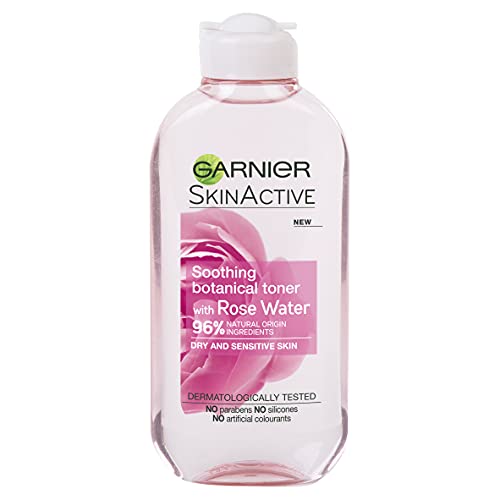
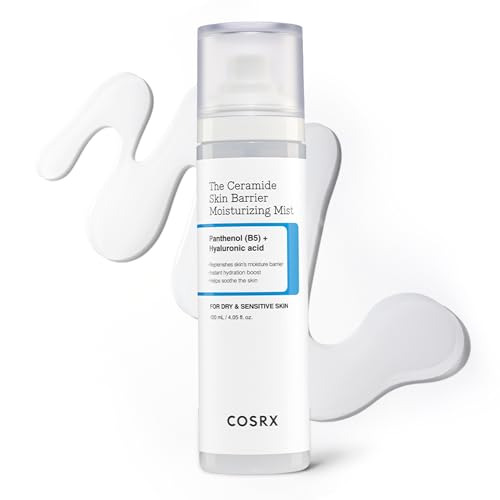
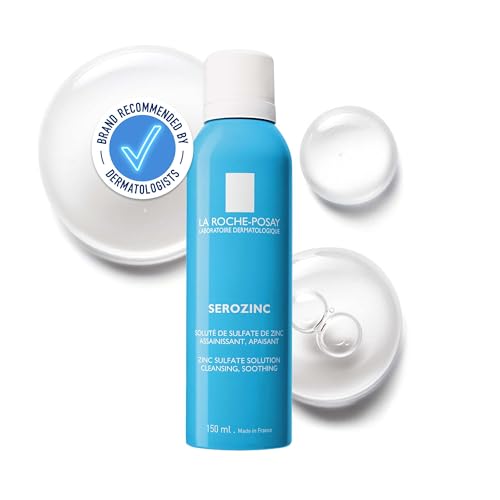
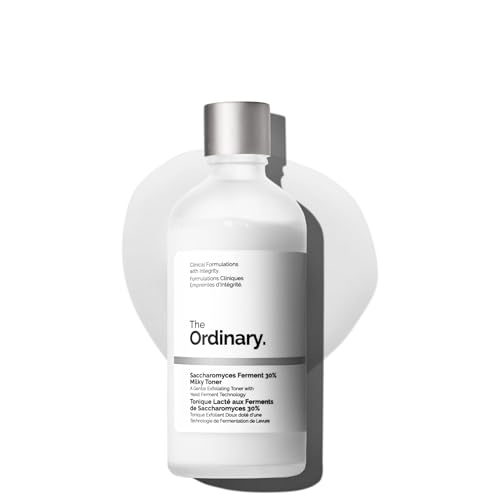
Toner is the most misunderstood step in skincare, largely because the word now covers two entirely different kinds of product. The original toners were astringent, alcohol-heavy liquids designed to strip residual soap and tighten pores — a job that stopped being necessary once cleansers improved. Modern toners are usually hydrating or gently exfoliating: watery layers that add humectants before moisturiser, or leave-on acid solutions that work on texture and congestion. Buying one without knowing which type you have is how people end up with dry, irritated skin from a product they believed was a light hydrator. The picks below are toners available on Amazon UK, ranked on customer rating weighted by review volume.
We compare every product in this category on customer rating, review volume, price and listed ingredients. We do not accept payment for placement, and we do not test products ourselves — the ranking reflects what Amazon UK shoppers actually rated.
Prices and availability are accurate as of the date shown and are subject to change on Amazon.
What to look for
Hydrating and exfoliating toners are different products
A hydrating toner contains humectants such as glycerin or hyaluronic acid and can be used daily. An exfoliating toner contains AHAs or BHAs and is a treatment — using one as though it were the other is the most common mistake in this category.
Alcohol high in the list is a warning for dry skin
Denatured alcohol makes a toner feel refreshing and evaporate quickly, and repeated use dries and sensitises. Fatty alcohols such as cetearyl alcohol are a different thing entirely and are perfectly fine.
Toner is optional
Nothing in a routine breaks without it. It is worth adding if you want extra hydration under moisturiser or a gentle exfoliating step — not because a routine is somehow incomplete without one.
Acid strength needs matching to experience
Start below 5% glycolic or 2% salicylic and use it two or three times a week. Daily use of a strong acid toner is the fastest way to a compromised barrier, and the damage takes weeks to undo.
Application method changes how much you use
Patting in with hands wastes far less than saturating a cotton pad, and avoids the friction. Pads make sense for exfoliating toners where even distribution matters.
Frequently asked questions
Do I actually need a toner?
No. It is an optional step that can add hydration or exfoliation. If your cleanser and moisturiser are working well, adding a toner is a refinement rather than a fix.
Where does toner go in a routine?
After cleansing, before serum and moisturiser. On skin that is still slightly damp, a hydrating toner has more to work with.
Can I use an exfoliating toner every day?
Most people should not, at least at first. Two or three times a week is a sensible starting point, increasing only if skin stays comfortable. Stinging, tightness or new sensitivity means cutting back.
What is the difference between toner and essence?
Largely marketing and viscosity. Essences tend to be slightly thicker and more focused on hydration; toners span a wider range from astringent to exfoliating. Functionally they occupy the same step.
How can I tell if a toner is hydrating or exfoliating before buying?
Check the ingredient list rather than the word 'toner' alone. Hydrating toners list humectants such as glycerin or hyaluronic acid near the top; exfoliating toners list an AHA (glycolic, lactic) or BHA (salicylic) and are treatments rather than daily hydrators. Using an exfoliating toner as though it were a hydrating one is the most common mistake in this category.
Is a toner with alcohol always bad for skin?
Not automatically — it depends which alcohol. Denatured or drying alcohols high in the ingredient list evaporate fast and can dry and sensitise skin with repeated use, especially on dry or sensitive types. Fatty alcohols such as cetearyl or cetyl alcohol are a different category entirely, used as emollients, and aren't something to avoid.