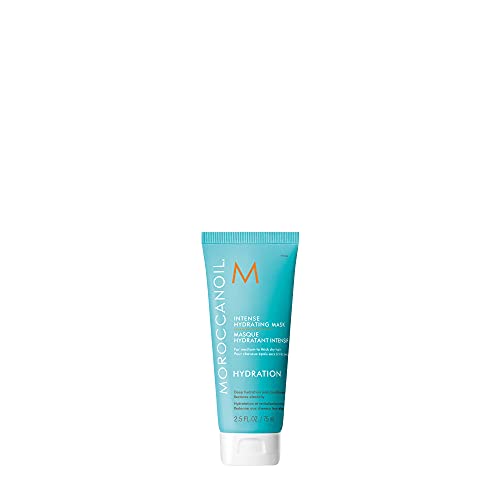
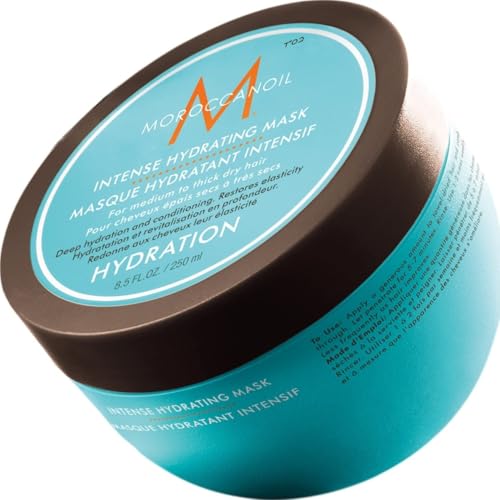
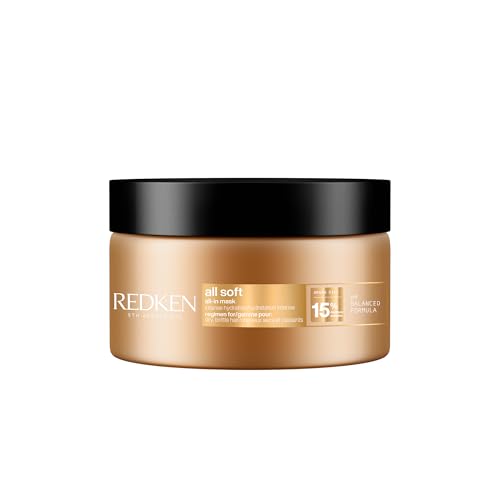
A hair mask is a conditioner given time and concentration. The distinction that matters is what it is trying to fix: moisture masks add water and soften, protein masks add structure and strength. They are not interchangeable, and using the wrong one is the most common reason a mask appears to make hair worse. Hair that feels dry and rough usually wants moisture; hair that feels limp, stretchy when wet, or snaps easily usually wants protein — and hair that gets too much protein becomes brittle, which feels like dryness and tempts people to add more protein. The picks below are masks available on Amazon UK, ranked on customer rating weighted by review volume.
We compare every product in this category on customer rating, review volume, price and listed ingredients. We do not accept payment for placement, and we do not test products ourselves — the ranking reflects what Amazon UK shoppers actually rated.
Prices and availability are accurate as of the date shown and are subject to change on Amazon.
What to look for
Work out whether you need moisture or protein
Take a wet strand and stretch it gently. If it stretches a long way before snapping back slowly, it likely needs protein. If it barely stretches and snaps, it likely needs moisture. Most people need mostly moisture with occasional protein.
Bond builders are a third category
Products marketed around repairing bonds work on the disulphide links broken by bleach and heat. They are worth it for chemically treated hair and largely wasted on virgin hair that has never been coloured.
Time matters more than quantity
Most masks do their work in five to fifteen minutes. Leaving one on overnight rarely improves the result and, with protein-heavy formulas, can leave hair stiff.
Heat helps penetration
Warmth lifts the cuticle slightly and lets the mask work further in. A shower cap and body heat is enough — no special equipment is needed.
Apply to lengths, not roots
The oldest hair — the ends — is the most damaged and needs the most help. Mask at the roots mostly weighs hair down and can leave a greasy scalp.
Frequency depends on damage, not habit
Bleached or heat-styled hair may want a mask weekly. Healthy hair often needs one every two or three weeks. Over-conditioning is a real state, and it presents as limp, coated hair that will not hold a style.
Frequently asked questions
What is the difference between a hair mask and a conditioner?
Concentration and contact time. Conditioner is designed to work in a minute or two and be rinsed; a mask is thicker, more concentrated and left on longer. Using conditioner as a mask does not achieve the same thing.
How often should I use a hair mask?
Weekly for damaged, coloured or heat-styled hair; every two to three weeks for healthy hair. If hair starts feeling limp and refuses to hold a style, that is usually a signal to cut back.
Can a hair mask repair split ends?
No. A split end is a physical separation and cannot be rejoined — masks can smooth and temporarily bind them so they look better, but only cutting removes them.
Should I use a mask before or after shampoo?
After. Shampoo opens the cuticle and removes build-up, so the mask can reach the hair rather than sitting on top of product residue.
Do I still need conditioner if I use a mask?
On mask days, usually not — most masks condition thoroughly enough. On other days, conditioner still does its job of smoothing the cuticle after washing.