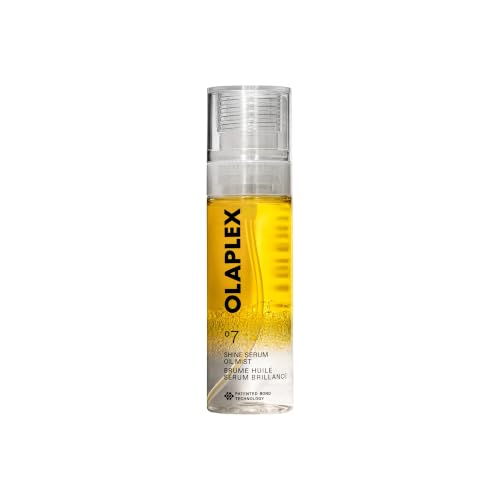
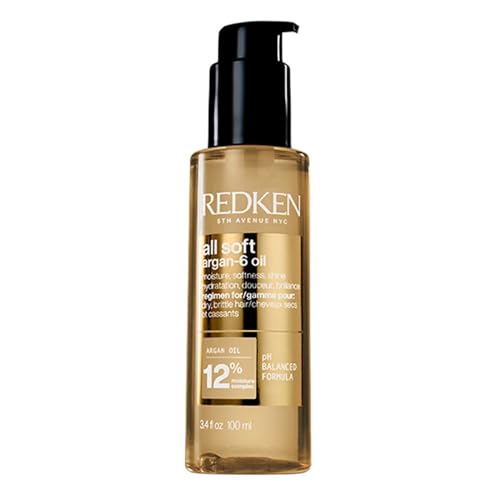
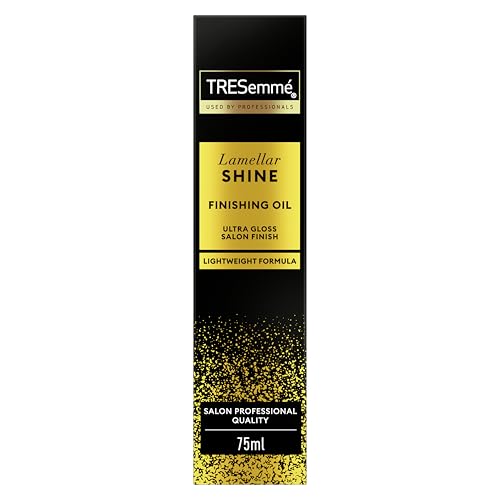
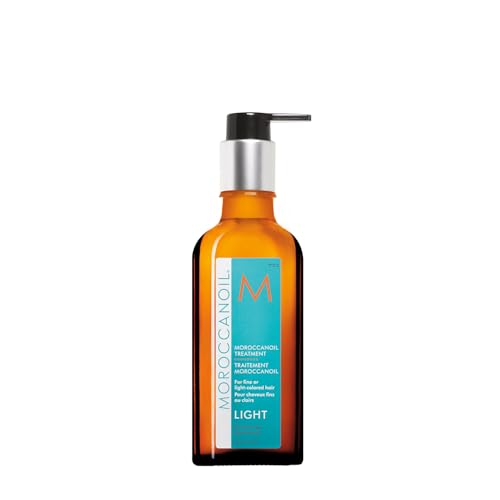
Hair oil does two quite different jobs depending on when it is applied, and confusing them is why some people find oils miraculous and others find them greasy. Applied to damp hair before drying, an oil reduces friction and slows water loss, protecting the strand. Applied to dry hair afterwards, it sits on the surface adding shine and taming frizz. The oils themselves also differ in a way that matters: coconut oil penetrates the hair shaft and reduces protein loss, while argan, jojoba and most silicone-blend oils largely coat the surface. Neither is superior — penetrating oils suit pre-wash treatment, coating oils suit finishing. The picks below are hair oils available on Amazon UK, ranked on customer rating weighted by review volume.
We compare every product in this category on customer rating, review volume, price and listed ingredients. We do not accept payment for placement, and we do not test products ourselves — the ranking reflects what Amazon UK shoppers actually rated.
Prices and availability are accurate as of the date shown and are subject to change on Amazon.
What to look for
Penetrating and coating oils are for different steps
Coconut and to a lesser extent olive oil enter the hair shaft, which makes them useful as a pre-wash treatment. Argan, jojoba and silicone blends sit on the surface, which makes them better as a finishing product.
Amount is where most people go wrong
One to two drops for fine hair, three to four for thick. Start at the ends and work upwards, never at the roots. Most complaints about greasiness are a dosage problem rather than a product problem.
Damp hair versus dry hair changes the result
On damp hair an oil distributes evenly and helps protect through drying. On dry hair it targets frizz and adds shine but sits more heavily. Same product, noticeably different outcome.
Not every oil is heat protection
Some oils have a low smoke point and offer little thermal protection. If you use heat tools, use a dedicated heat protectant and treat the oil as a separate finishing step.
Fine hair usually needs a dry-oil formulation
Lightweight or dry oils are formulated to absorb without residue. A traditional heavy oil on fine hair will flatten it regardless of how little you use.
Frequently asked questions
Should I put hair oil on wet or dry hair?
Damp hair for protection and even distribution before drying; dry hair for shine and frizz control afterwards. Many people use a little at both stages, in smaller amounts each time.
Will hair oil make my hair greasy?
Only if you use too much or apply it near the roots. Start with one or two drops on the ends — you can always add more, but removing excess means washing again.
Can I use hair oil as a heat protectant?
Not reliably. Some oils have low smoke points and can contribute to damage under a straightener. Use a product formulated for heat protection and keep the oil for finishing.
Which oil is best for hair?
It depends on the job. Coconut oil penetrates the shaft and works well as a pre-wash treatment; argan and jojoba sit on the surface and work better as finishing oils for shine and frizz.
How often should I oil my hair?
As a finishing product, whenever you style. As a pre-wash treatment, once a week is plenty — leaving oil in for hours does not compound the benefit.