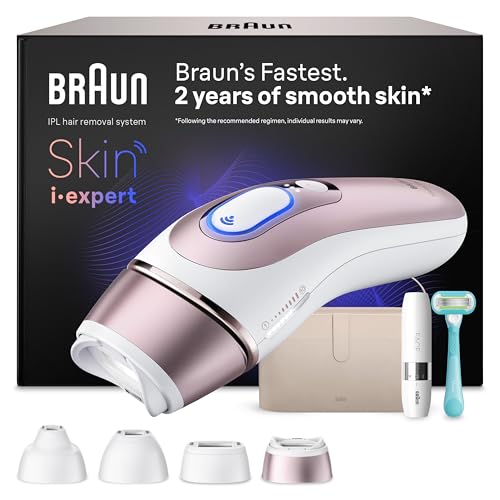
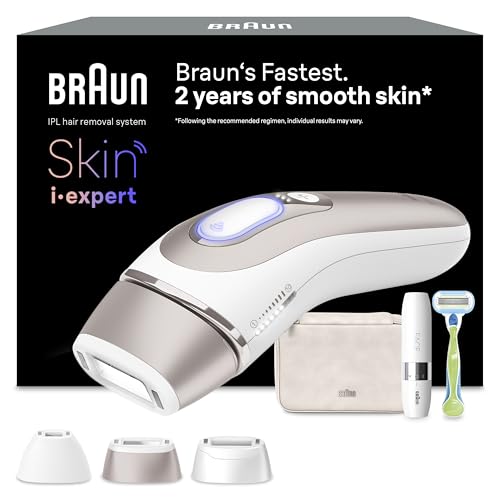
IPL — intense pulsed light — devices work by targeting melanin in the hair follicle with light energy that converts to heat, damaging the follicle's ability to regrow. That mechanism is why results vary so much by hair and skin colour: it works best on dark hair against light skin, where the contrast between hair and surrounding skin is highest, and works poorly or not at all on very light, red or grey hair, which lack enough melanin for the light to target. This is a genuine limitation of the technology at any price, not a reason to buy a more expensive device. The picks below are IPL devices available on Amazon UK, ranked on customer rating weighted by review volume, and prices in this category run from around £35 to over £300.
We compare every product in this category on customer rating, review volume, price and listed ingredients. We do not accept payment for placement, and we do not test products ourselves — the ranking reflects what Amazon UK shoppers actually rated.
Prices and availability are accurate as of the date shown and are subject to change on Amazon.
What to look for
Hair and skin contrast decides whether it will work at all
IPL targets melanin, so it needs a clear contrast between dark hair and lighter skin to work effectively. Blonde, red, grey and white hair generally do not respond, and darker skin tones need a device explicitly rated safe and effective for that skin tone, since the risk of skin damage rises with less contrast.
Consistency across sessions matters more than any single feature
Hair grows in cycles, and IPL only affects follicles in an active growth phase, so a single session treats a fraction of the hair present. Most devices need a course of weekly sessions over several months, then occasional maintenance — treating it as a one-off treatment misunderstands how it works.
Flash count determines the device's real lifespan
Devices are rated for a fixed number of flashes before the bulb needs replacing, and full-body treatment uses flashes quickly. A device with a low flash count can become the more expensive option over time despite a lower upfront price.
Skin tone sensors are a safety feature, not a gimmick
Devices with a built-in sensor that reads skin tone before firing, and refuses to fire on skin too dark for that device's safe range, reduce the risk of burns. This matters more than most spec sheets suggest and is worth checking for explicitly.
A patch test is not optional
Reactions vary by individual, and manufacturers consistently recommend testing on a small area first and waiting 24 to 48 hours before full treatment. Skipping this step on the first use is the most avoidable cause of an adverse reaction.
Sun exposure changes what is safe
Tanned or recently sun-exposed skin has more melanin at the surface, which increases the risk of the device targeting skin rather than hair. Most manufacturers recommend avoiding treatment on tanned skin and staying out of strong sun before and after sessions.
Frequently asked questions
Does IPL hair removal work on all hair colours?
No. It relies on contrast between dark hair and lighter skin, so it works well on dark hair and poorly or not at all on blonde, red, grey or white hair, which do not contain enough melanin for the light to target.
How many sessions does IPL take to work?
Most manufacturers recommend weekly sessions for around 12 weeks, since hair grows in cycles and only actively growing follicles are affected by any single session, followed by occasional maintenance sessions as hair regrows more sparsely.
Is IPL safe on darker skin tones?
Only with a device specifically designed and rated for darker skin, and even then the risk of skin damage is higher because there is less contrast between hair and skin melanin. Devices with an automatic skin-tone sensor that will not fire outside a safe range reduce that risk.
How long does a home IPL device last?
It depends on the flash count the bulb is rated for, which varies widely between devices. Full-body treatment over a course of sessions uses flashes quickly, so it is worth checking the rated flash count against how much of the body you intend to treat.
Is IPL permanent hair removal?
It is generally described as long-term hair reduction rather than permanent removal. Treated follicles produce thinner, sparser regrowth over a course of sessions, but occasional maintenance sessions are usually still needed to sustain the result.