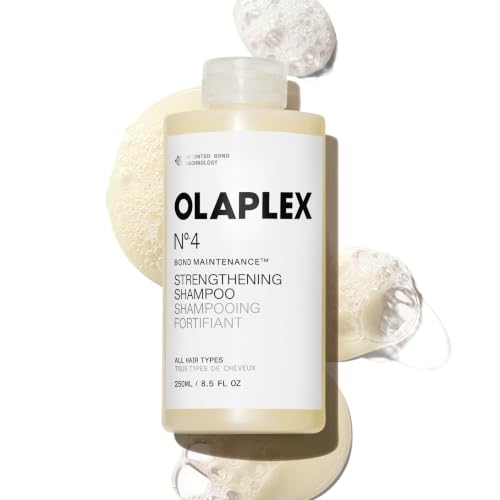
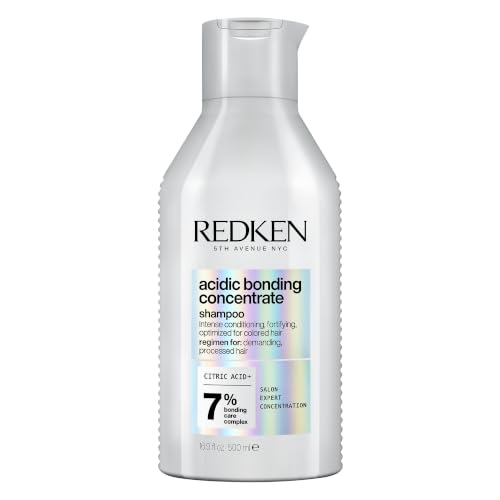
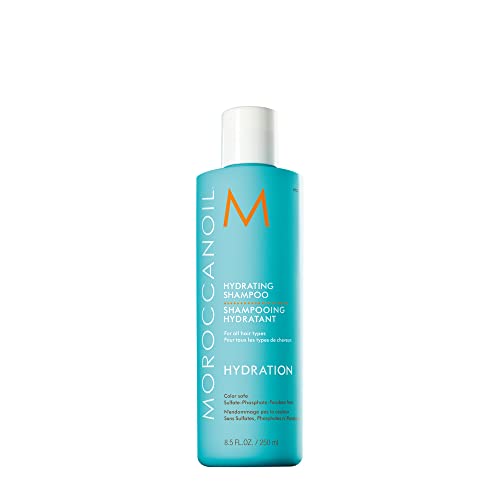
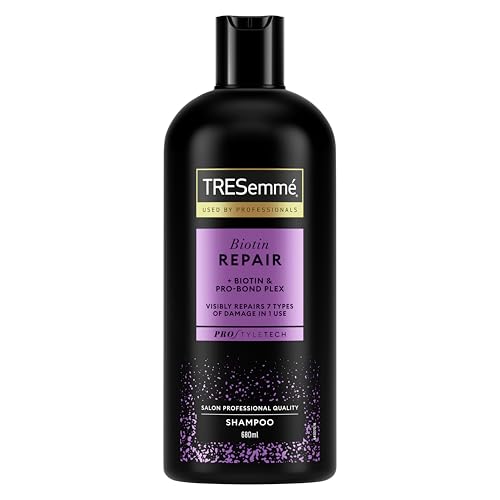
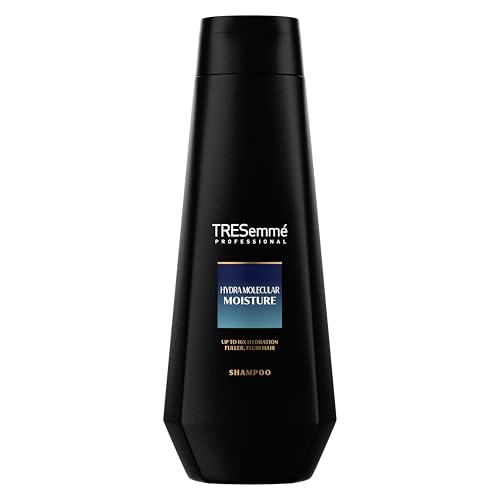
Shampoo is the step most people over-think and under-match. What it actually does is remove oil, product and dirt from the scalp — everything else on the bottle is secondary. The main variable is the surfactant system: sulphates such as SLS clean thoroughly and lather well, while sulphate-free formulas clean more gently and suit colour-treated or curly hair, at the cost of a less satisfying lather. The picks below are shampoos available on Amazon UK ranked on customer rating weighted against review volume. This is a category where price correlates weakly with results, and several of the best-rated options sit under £10.
We compare every product in this category on customer rating, review volume, price and listed ingredients. We do not accept payment for placement, and we do not test products ourselves — the ranking reflects what Amazon UK shoppers actually rated.
Prices and availability are accurate as of the date shown and are subject to change on Amazon.
What to look for
Match to your scalp, not your lengths
Shampoo is a scalp product. Choose it for how oily or dry your scalp is, and use conditioner and masks to look after the lengths — those two ends of the same hair often need opposite things.
Sulphate-free is a trade-off, not an upgrade
Gentler cleansing helps colour last and suits curls, but on a very oily scalp or with heavy silicone products it may not clean thoroughly enough, leaving hair limp after a day.
Clarifying shampoos are occasional tools
They strip build-up from styling products and hard water, which is useful roughly monthly. Used as an everyday shampoo they will leave most hair dry.
Anti-dandruff needs an active, not a claim
Look for zinc pyrithione, ketoconazole or selenium sulphide. A shampoo marketed for flaking without one of those is a moisturising shampoo with a marketing angle.
Bottle size changes the value calculation
This category ranges from 200ml to over a litre. The cheapest bottle is frequently the most expensive per wash, so it is worth dividing before deciding.
Frequently asked questions
How often should I wash my hair?
There is no universal number. Oily scalps often need daily or alternate-day washing; dry, curly or coily hair is usually happier with once or twice a week. The reliable signal is your scalp, not a schedule.
Are sulphates bad for hair?
Not inherently. Sulphates are effective cleansers that suit oily scalps and heavy product use. They can fade colour faster and feel stripping on dry or curly hair, which is why sulphate-free options exist — as an alternative rather than a correction.
Do I need to shampoo twice?
Only if the first wash barely lathers, which suggests the surfactant is busy with oil and product rather than cleaning. On a scalp washed regularly, once is enough.
Will an expensive shampoo make a visible difference?
Less than an expensive conditioner or treatment would. Shampoo is rinsed off within a minute, so formulation elegance mostly affects how the wash feels rather than the outcome.
What does a clarifying shampoo do differently from a regular one?
A clarifying shampoo uses a stronger surfactant system to strip build-up from styling products, oils and hard water minerals that a regular shampoo leaves behind. It's intended as an occasional reset, roughly monthly, rather than a daily shampoo — used every wash, it tends to leave hair dry.
Do I need a special shampoo for coloured hair?
Colour-treated hair generally benefits from a sulphate-free or gentler formula, since sulphates can fade colour faster than milder surfactants. The trade-off is that a very oily scalp or heavy product use may not get cleaned thoroughly by a gentle formula, so it's a balance between colour longevity and scalp cleanliness.