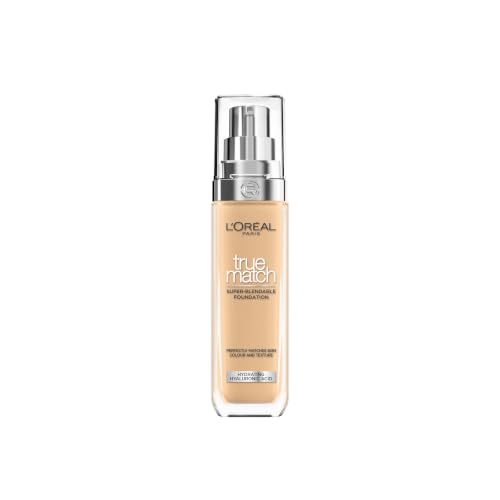
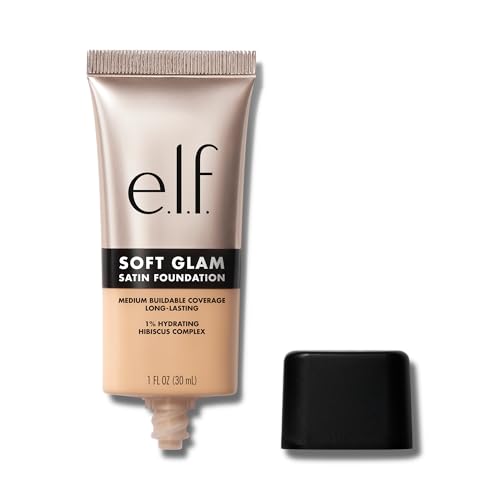
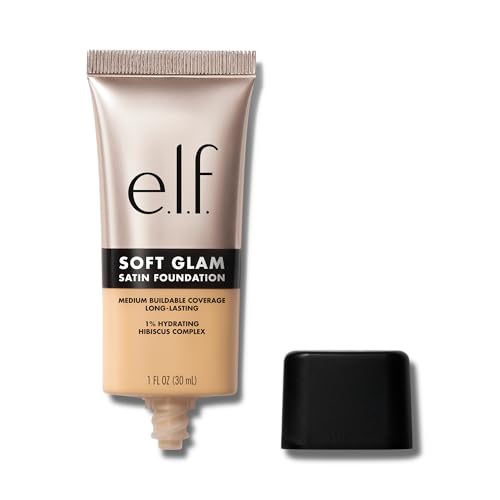
Foundation is the hardest product in beauty to buy online, because two things must both be right: the shade and the finish. Shade has an undertone as well as a depth — the same lightness can read pink, neutral or golden, and a mismatch there is what makes foundation look like a mask rather than skin. Finish decides how the product behaves through the day: matte formulas control oil and can emphasise texture, dewy formulas reflect light and can slide on oily skin. The picks below are foundations available on Amazon UK, ranked on customer rating weighted against review volume, though it is worth reading reviews from people with your skin type rather than the average.
We compare every product in this category on customer rating, review volume, price and listed ingredients. We do not accept payment for placement, and we do not test products ourselves — the ranking reflects what Amazon UK shoppers actually rated.
Prices and availability are accurate as of the date shown and are subject to change on Amazon.
What to look for
Undertone matters more than depth
Getting the depth slightly wrong is forgivable; getting the undertone wrong is not. Cool undertones read pink or red, warm read golden or olive, neutral sits between. Check against your jaw in daylight, not against your hand.
Match the finish to your skin, not the trend
Oily skin generally holds a matte or natural finish longer. Dry or mature skin usually looks better in a satin or dewy formula, because matte finishes settle into fine lines and dry patches.
Coverage is adjustable; formula is not
A buildable medium-coverage foundation can be sheered out or layered. A full-coverage formula cannot be made to look sheer, so buying up in coverage limits your options rather than expanding them.
Shade ranges vary enormously
Some brands offer six shades, others fifty. A wide range is not just an inclusivity point — it means a much better chance of a genuine match rather than the nearest approximation.
Oxidation changes the shade after application
Many foundations darken slightly over the first half hour as they react with air and skin oils. If a shade looks perfect immediately, it may read too dark later, which is why judging after thirty minutes is more reliable.
Frequently asked questions
How do I find my shade when buying online?
Work out your undertone first, then use a shade-matching tool if the brand offers one, and cross-reference with reviewers who name a shade they match in another brand you already own. That triangulation is more reliable than any single source.
What is the difference between foundation and BB cream?
BB creams are lighter, usually combine some skincare and SPF, and offer sheer coverage. Foundation is a dedicated complexion product with more pigment and more control over coverage and finish.
Why does my foundation look patchy?
Most often the skin underneath, not the foundation. Dry patches grab pigment and oily areas break it up. Exfoliating and moisturising beforehand fixes patchiness more reliably than changing product.
Do I need primer?
Not always. Primer helps if you have a specific problem to solve — oil breaking foundation up, or texture you want to smooth. On skin that holds foundation well, it is an extra step without a clear payoff.
Why does my foundation look orange or grey after a few hours?
Many foundations darken or shift slightly as they oxidise on contact with air and skin oils over the first half hour or so, which is why a shade that looks perfect straight out of the bottle can read differently later in the day. Judging the match after thirty minutes, rather than immediately, gives a more reliable read.
Should I choose a matte or dewy foundation finish?
It depends more on your skin type than on what's trending. Oily skin generally holds a matte or natural finish for longer without breaking down. Dry or mature skin tends to look better in a satin or dewy formula, since matte finishes can settle into fine lines and dry patches rather than sitting smoothly.