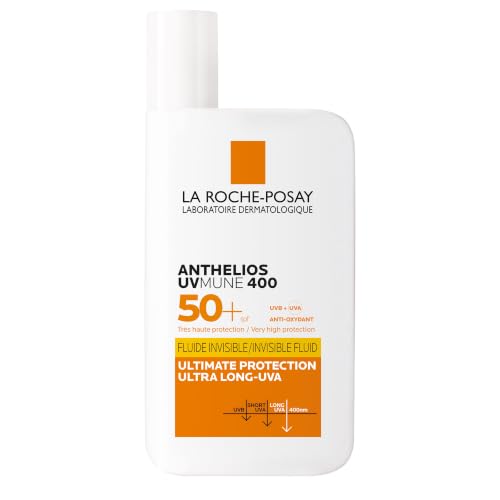
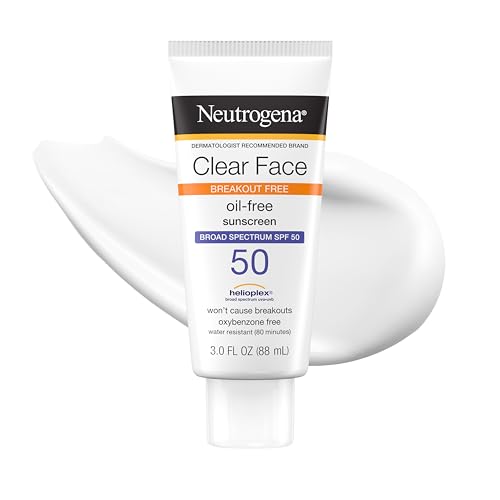
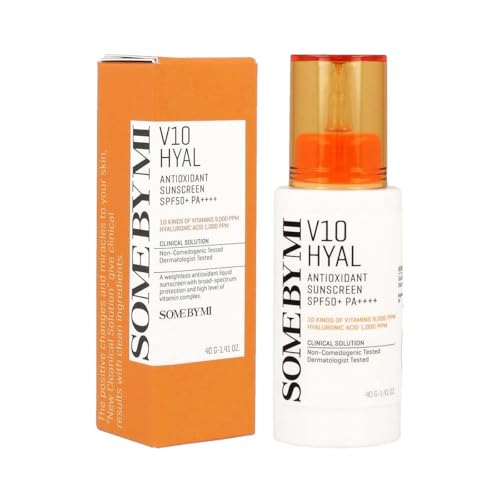
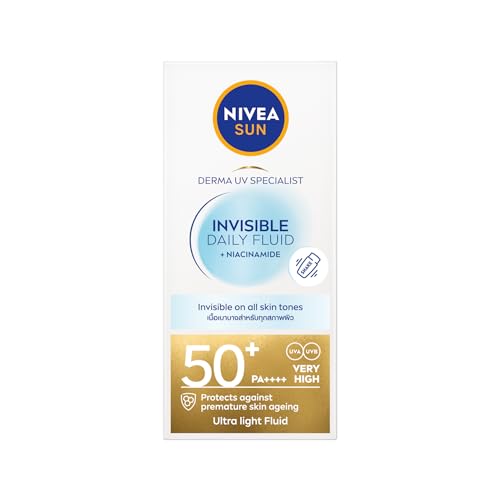
Sunscreen is the single product with the strongest evidence behind it, and also the one most often applied incorrectly. Two numbers matter: SPF, which describes protection against UVB, and the UVA rating, shown in the UK as stars or as the letters PA followed by plus signs. A high SPF with weak UVA protection leaves out the wavelengths most associated with ageing, so both figures matter. The picks below are sunscreens available on Amazon UK, ranked on customer rating weighted by review volume. Texture is the deciding factor for most people, because the sunscreen that gets applied generously and daily beats the technically superior one that sits unused.
We compare every product in this category on customer rating, review volume, price and listed ingredients. We do not accept payment for placement, and we do not test products ourselves — the ranking reflects what Amazon UK shoppers actually rated.
Prices and availability are accurate as of the date shown and are subject to change on Amazon.
Laboratory SPF ratings assume about 2mg per square centimetre — roughly a third of a teaspoon for the face. Most people apply between a quarter and half of that, which cuts the real protection sharply.
Check the UVA rating separately
In the UK look for four or five stars, or PA+++ and above. SPF alone says nothing about UVA, which penetrates deeper and contributes most to long-term skin ageing.
Mineral and chemical filters behave differently
Mineral filters — zinc oxide, titanium dioxide — sit on the surface, suit sensitive skin, and can leave a white cast. Chemical filters absorb UV and tend to be cosmetically lighter. Neither is safer; they simply suit different skin.
Reapplication is the part that fails
No sunscreen lasts a full day. Reapply every two hours in strong sun, and after swimming or towelling. For daily indoor use, a single morning application is usually reasonable.
Texture decides adherence
If a sunscreen pills under makeup, stings the eyes or leaves a heavy cast, it will not be used consistently — and consistency is where nearly all of the benefit lives.
Frequently asked questions
Do I need sunscreen in the UK in winter?
UVB is low in UK winter, but UVA persists year-round and passes through cloud and glass. Daily sunscreen is worth it if ageing or pigmentation concerns you; if you are protecting against burning specifically, it matters far more from spring to autumn.
How much sunscreen should I use on my face?
About a third of a teaspoon, or two fingers' length squeezed onto index and middle finger. Nearly everyone under-applies, which is why real-world protection is usually well below the number on the bottle.
Can I use last year's sunscreen?
Check the expiry date and the period-after-opening symbol. Filters degrade over time, and a sunscreen stored in a hot car or opened last summer may no longer deliver its stated protection.
Does makeup with SPF count?
Only partially. Foundation is applied far too thinly to reach the tested protection level. Treat SPF in makeup as a small bonus on top of a proper sunscreen, not a replacement for it.
What's the difference between SPF and the UVA star rating?
SPF measures protection against UVB, the rays mainly responsible for sunburn. The UK's star rating, from zero to five stars, measures UVA protection separately, since UVA penetrates deeper and contributes more to long-term skin ageing. A high SPF with a low star rating leaves out a wavelength range that matters just as much, so both figures are worth checking together.
Is mineral or chemical sunscreen better for sensitive skin?
Mineral filters such as zinc oxide and titanium dioxide sit on the skin's surface rather than being absorbed, which generally makes them better tolerated by sensitive or reactive skin, though they can leave a visible white cast. Chemical filters tend to feel lighter and blend in more easily but occasionally irritate reactive skin or eyes.