Rated 4.6 out of 5 from 1,127 reviews
A moisturiser has one core job: slow the rate at which water leaves the skin. It does that with three kinds of ingredient — humectants that attract water, emollients that smooth the surface, and occlusives that seal it in. Nearly every product in this category is some ratio of those three, which is why texture is a more useful signal than marketing language. A light gel is humectant-heavy and suits oily skin; a rich balm is occlusive-heavy and suits dry or compromised skin. The picks below are moisturisers available on Amazon UK, ranked by customer rating weighted against review volume. This is one of the categories where budget options genuinely compete: several dermatologist-favourite creams here cost under £15.
24 productsFrom £2.00 to £23.19
8 products
cruelty-free
cruelty-free
vegan
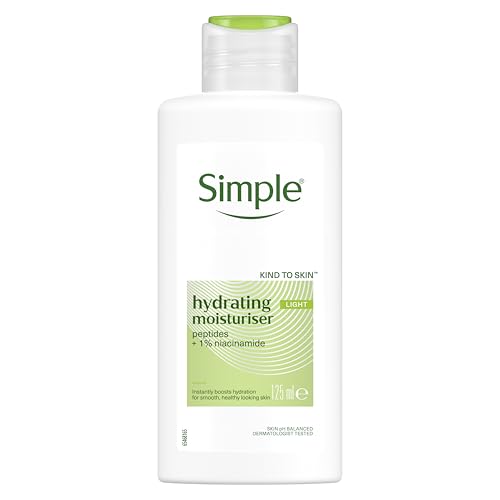

16 products
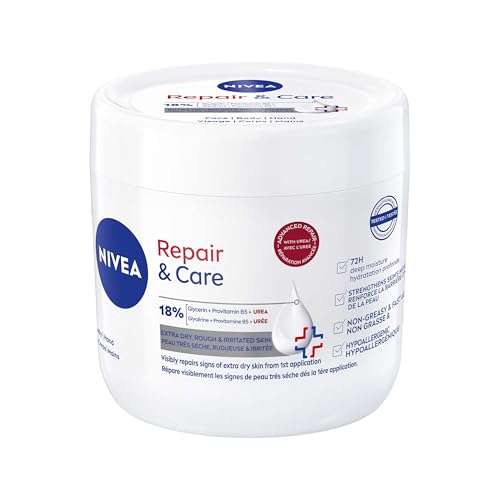


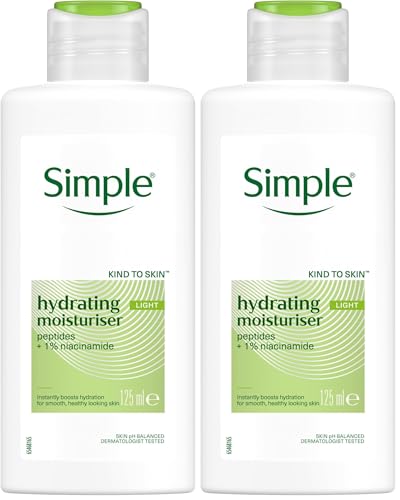
Price checked 6 September 2026
Opens Amazon UK. We may earn a commission.

Price checked 6 September 2026
Opens Amazon UK. We may earn a commission.

Price checked 6 September 2026
Opens Amazon UK. We may earn a commission.

Price checked 6 September 2026
Opens Amazon UK. We may earn a commission.


Price checked 6 September 2026
Opens Amazon UK. We may earn a commission.
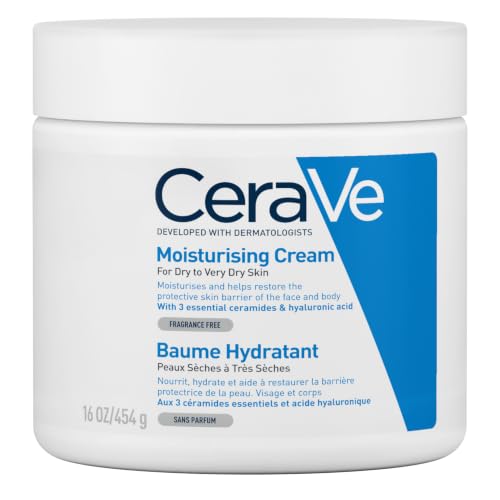
Price checked 6 September 2026
Opens Amazon UK. We may earn a commission.

Price checked 6 September 2026
Opens Amazon UK. We may earn a commission.

Price checked 6 September 2026
Opens Amazon UK. We may earn a commission.

Price checked 6 September 2026
Opens Amazon UK. We may earn a commission.

Price checked 6 September 2026
Opens Amazon UK. We may earn a commission.
We compare every product in this category on customer rating, review volume, price and listed ingredients. We do not accept payment for placement, and we do not test products ourselves — the ranking reflects what Amazon UK shoppers actually rated.
Prices and availability are accurate as of the date shown and are subject to change on Amazon.
Gel, lotion, cream, balm — in that order, from lightest to richest. Match to how much your skin loses water, not to the season alone. Many people need a lighter product in summer and a richer one in winter.
If skin stings when you apply things, flakes despite moisturising, or reacts easily, look for ceramides, cholesterol and fatty acids. Those rebuild the barrier rather than just covering it.
A moisturiser with SPF is better than none, but people apply far less moisturiser than the amount used in SPF testing. If sun protection matters to you, a separate sunscreen applied properly does the job more reliably.
Skipping it often makes oiliness worse, because the skin compensates. A light, non-comedogenic gel usually settles that cycle rather than feeding it.
Jars expose the formula to air and fingers on every use, which matters for products containing retinol or vitamin C. For a plain moisturiser it is a minor issue; for an active-containing cream, a pump or tube is a better format.
Last updated 6 September 2026