Rated 4.1 out of 5 from 580 reviews
vegan
- vegan
- cruelty-free
- travel-size
Fine hair weighed down by a rich conditioner looks flat within hours; thick or coarse hair left with a lightweight one still feels dry by evening. Curly hair loses definition under a clarifying shampoo built for oily, straight hair; damaged hair strips further under the same formula. Shampoo and conditioner sit directly on hair for long enough, and are rinsed off cleanly enough, that a mismatch between formula and hair type shows up quickly and consistently — more so than with a leave-on product where a slow-building effect can mask the wrong choice for weeks.
Shampoos clean using surfactants — molecules that lift oil and dirt so water can rinse them away. Stronger, more thorough surfactant systems clean more completely but also strip more of the hair's natural oils in the process, which is why a shampoo built for oily hair can leave dry or damaged hair feeling rougher than before washing. Gentler surfactant systems clean less aggressively, which suits dry, damaged or colour-treated hair better even though it means washing slightly more often to keep oil at bay on the scalp.
Conditioners work by smoothing the hair's outer cuticle layer, reducing the friction that causes tangling, frizz and static. In this dataset, conditioners run £5.45 to £68.97 — Head & Shoulders' Nourishing Conditioner (£5.45) at the cheap end, Moroccanoil's Conditioner (£68.97) at the top. A conditioner should generally be chosen to counteract what the shampoo does: a stronger-cleansing shampoo pairs better with a richer conditioner to replace what was stripped, while a gentler shampoo can be followed by a lighter conditioner without the combination leaving hair either flat or under-nourished.
Applying a generous amount of conditioner all over, particularly a heavier cream formula, is one of the more common ways people undo an otherwise good match. Build-up from repeated over-application coats the hair shaft, restricts moisture penetration and leaves hair looking limp rather than nourished — especially at the roots, where conditioner is rarely needed at all. Applying conditioner mainly to the mid-lengths and ends, where most of the damage and dryness genuinely sits, and clarifying occasionally with a gentle shampoo if build-up does appear, avoids the problem regardless of which specific conditioner is in use.
Four shampoos in this dataset carry a curly-hair tag; zero conditioners do, despite conditioner arguably mattering more for curl definition than shampoo. That is a genuine limit of this dataset's tagging, not a claim that no conditioner on the market suits curly hair — it means the curly-hair filter is more useful on the shampoo page here than on the conditioner one. In that gap, prioritising a well-reviewed, richer conditioner generally (curly hair tends to run drier than average) is a reasonable substitute for a tag that is not yet there to check.
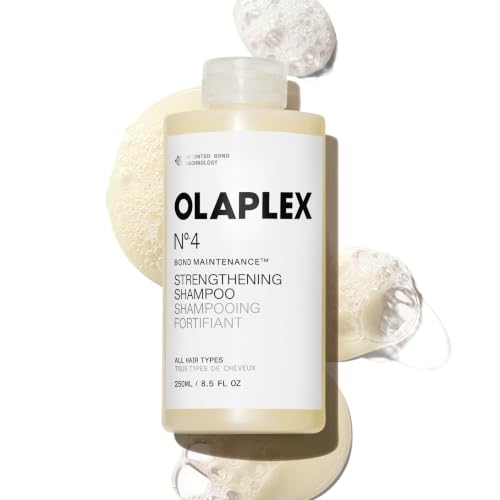
Real shampoo listings on Amazon UK. See the full shampoos page for the complete, sortable list, including which are tagged for specific hair types.
4 products
vegan

Real conditioner listings on Amazon UK. See the full conditioners page for the complete, sortable list.
4 products
cruelty-free


More real listings on Amazon UK related to this article. See the full shampoos page for the complete, sortable list.
4 products


Petal & Proof Editorial Team
We do not test products hands-on — see our editorial policy for how listings are sourced and ranked.
Last updated 9 August 2026 · 804 words