Rated 4.8 out of 5 from 936 reviews
vegan
- vegan
- cruelty-free
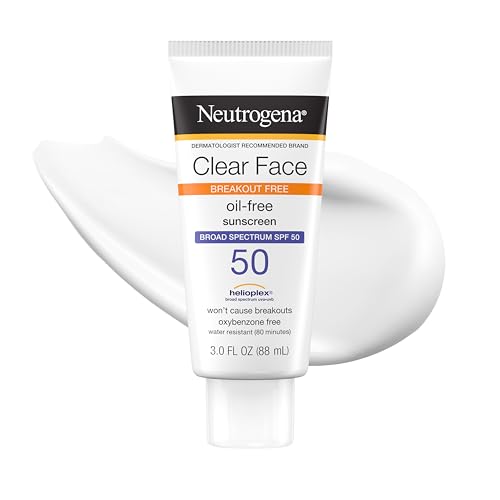
SPF (Sun Protection Factor) describes protection against UVB rays specifically — the wavelengths mainly responsible for sunburn. SPF30 filters around 97% of UVB rays and SPF50 around 98%; the practical jump between the two is smaller than the numbers suggest. What SPF does not describe is protection against UVA rays, which penetrate more deeply and are linked more to long-term skin ageing than to sunburn. A high SPF number alone says nothing about how well a sunscreen handles that other wavelength.
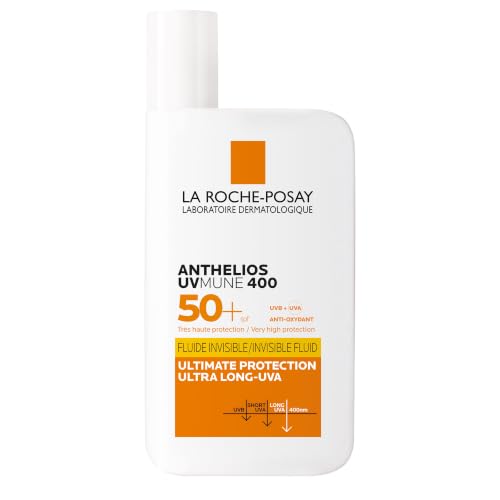
In the UK, UVA protection is shown separately as a star rating from zero to five, based on the ratio between UVA and UVB protection the formula provides. A higher star rating means the sunscreen's UVA protection is closer to matching its SPF, rather than the SPF number being propped up by UVB filtering alone. The two figures are meant to be read together — an SPF50 sunscreen with a low star rating is giving strong sunburn protection but a comparatively weak defence against UVA-linked ageing.
It is easy to assume the SPF number is the whole story, since it is the figure printed largest on the bottle. In this dataset of 10 sunscreens, prices range from £6.07 to £31.68, and price does not reliably track either SPF or star rating — checking both figures on the label matters more than what a product costs. A sunscreen bought on SPF number alone could still be giving meaningfully weaker UVA protection than an equally priced alternative with a better star rating.
Mineral filters — zinc oxide and titanium dioxide — sit on the skin's surface and reflect UV; chemical filters absorb UV and convert it to a small amount of heat. Both can achieve high SPF and good UVA star ratings; the choice between them is mostly about skin sensitivity and cosmetic finish rather than one being inherently more protective. Mineral formulas are often better tolerated by sensitive skin, while chemical filters tend to sit more invisibly under makeup.
Laboratory SPF and star ratings are tested at a thicker application than most people actually use — roughly a third of a teaspoon for the face alone. Applying less than that reduces the real protection well below the number on the bottle, regardless of how good the label looks. Reapplying every two hours during extended sun exposure, and after swimming or sweating, matters more to real-world protection than choosing between two well-rated products.
SPF is not a stopwatch — it does not mean a fixed number of safe minutes in the sun regardless of conditions. How quickly skin burns depends on skin type, time of day, altitude, reflection from water or snow, and how much product was actually applied. Treating the SPF number as a guaranteed time limit, rather than a relative level of filtering, is a common way people underestimate how often they need to reapply.
Real sunscreen listings on Amazon UK. See the full sunscreen page for the complete, sortable list.
4 products
vegan
travel-size

More real listings on Amazon UK related to this article. See the full sunscreen page for the complete, sortable list.
4 products


Petal & Proof Editorial Team
We do not test products hands-on — see our editorial policy for how listings are sourced and ranked.
Last updated 9 August 2026 · 657 words