Rated 4.8 out of 5 from 1,441 reviews
vegan
- vegan
Ingredients
Salicylic acid works differently from most exfoliating acids because it dissolves in oil rather than water — here is what that means for blackheads, congestion, and how often it is reasonable to use it.
Salicylic acid is a beta hydroxy acid (BHA), and its defining feature is that it is oil-soluble rather than water-soluble. Water-based AHAs such as glycolic acid work on the skin's surface; because salicylic acid dissolves in oil, it can travel into oil-filled pores themselves, helping loosen the mix of dead skin cells and sebum that forms blackheads and congestion. That is the mechanism behind why it is the more commonly recommended acid for oily and congested skin specifically, rather than a general-purpose exfoliant.
Salicylic acid is genuinely useful for blackheads, visible pores and general surface congestion linked to excess oil, and it has some anti-inflammatory action alongside its exfoliating effect. It is not a fast fix — effects build with consistent use over several weeks, not a single application — and it does not replace a dermatologist's treatment for more severe or cystic acne, which sits outside what any cosmetic exfoliant can address.
A cleanser containing salicylic acid, such as Nivea Gentle Cleanser 15ml (£11.01) or COSRX Brightening Cleanser 30ml (£23.43) in this dataset, is rinsed off within a minute or two, so its exfoliating contact time is naturally limited. A leave-on toner — Some By Mi Toner 250ml (£34.02) is the salicylic-acid-tagged option here — stays on the skin and does more of the actual work. Neither format is wrong, but a rinse-off cleanser alone is a gentler, slower way to use the ingredient than a leave-on toner or treatment.
Most people start with a leave-on salicylic acid product two or three times a week rather than daily, watching how skin responds before increasing frequency. A rinse-off cleanser can generally be used more often, since contact time is short. Overuse is the most common way this ingredient causes problems — dryness, flaking and, counterintuitively, more breakouts as the skin barrier becomes compromised and overcompensates with oil.
Using a salicylic acid product on the same evening as retinol or another exfoliating acid is one of the more common routes to irritation in a routine. Both increase cell turnover and sensitivity; combined, the effect is more than additive. Many people alternate nights instead — salicylic acid on one evening, retinol on another — rather than trying to layer both at once, especially while either ingredient is still new to their skin.
Salicylic acid increases sun sensitivity to some degree, so daytime sunscreen matters alongside it. Anyone with a known aspirin or salicylate sensitivity should generally avoid it, and it is worth checking with a pharmacist or doctor before using leave-on salicylic acid products during pregnancy, since advice here is more cautious than for rinse-off formats. A gentle, fragrance-free moisturiser afterwards helps offset the dryness it can cause, particularly while your skin adjusts.
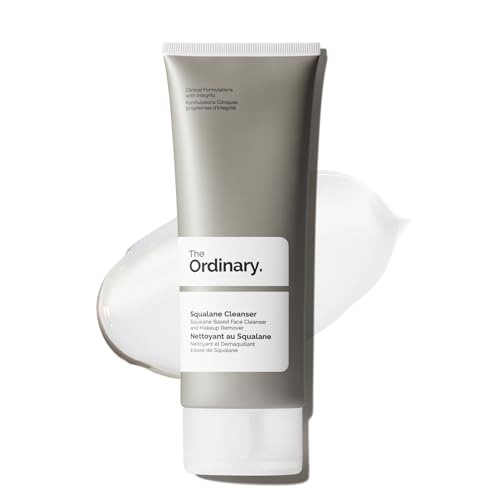
Real cleanser listings on Amazon UK, tagged with salicylic acid in this dataset — see the full cleansers page for the complete, sortable list.
1 product
vegan
Real toner listings on Amazon UK. See the full toners page for the complete, sortable list, including which are hydrating versus exfoliating.
4 products
cruelty-free
cruelty-free
More real listings on Amazon UK related to this article. See the full cleansers page for the complete, sortable list.
4 products


Petal & Proof Editorial Team
We do not test products hands-on — see our editorial policy for how listings are sourced and ranked.
Last updated 9 August 2026 · 650 words